


Comprehensive Hearing Exams Using Best Practices
Do you feel like people are mumbling more than they used to?
Are conversations in restaurants becoming harder to follow?
Do family members say the television is too loud?
These are often early signs of hearing loss, a condition that develops gradually for many adults.
The first step toward better hearing is a professional hearing test.
At Levine Hearing in Charlotte, our hearing evaluations go far beyond a basic screening. We follow a set of clinical best practices that only about 20% of hearing professionals routinely use, allowing us to deliver significantly better outcomes for patients.
Our goal is not just to measure hearing — it’s to understand how your ears and brain process sound, so we can create the most effective treatment plan possible.
Expert Hearing Care in Charlotte
Hearing evaluations at Levine Hearing are led by Madison Levine, Board-Certified Hearing Instrument Specialist and founder of Levine Hearing, who has spent more than a decade helping patients treat hearing loss with evidence-based care. Madison recently presented a TEDx talk on the Ear-Brain Connection, highlighting the growing research linking hearing health to brain stimulation, communication, and cognitive engagement.
At Levine Hearing, every hearing test follows best-practice protocols used by only about 20% of hearing professionals, including comprehensive diagnostic testing, speech-in-noise evaluation, and verification of hearing aid performance. This commitment to best practices leads to more accurate diagnoses and significantly better patient outcomes.
Why a Professional Hearing Test Matters
Hearing loss affects much more than your ears.
Research increasingly shows that hearing plays an important role in cognitive stimulation, communication, and overall brain health.
Madison Levine, founder of Levine Hearing, explored this relationship in her TEDx talk on the Ear-Brain Connection, explaining how sound is one of the primary ways the brain stays engaged with the world around us.
When hearing loss goes untreated, the brain receives less stimulation from sound. Over time, this can increase listening fatigue and make communication more difficult.
A comprehensive hearing test in Charlotte allows us to detect hearing loss early and create a personalized plan to restore clarity.
What Makes Our Hearing Exams Different
Not all hearing tests are the same.
At Levine Hearing, we follow evidence-based best practices in hearing care, a standard of care that research shows leads to significantly better patient outcomes.
Unfortunately, studies suggest that only about 20% of hearing clinics consistently follow these best practices.
This means many patients are fit with hearing aids without the full diagnostic process that helps ensure success.
Our commitment to best practices allows us to deliver:
- More accurate diagnosis of hearing loss
- Better personalization of hearing aid technology
- Improved speech clarity for patients
- Higher long-term satisfaction with hearing treatment
When patients come to Levine Hearing for a hearing exam in Charlotte, they can expect a higher level of care.
What Happens During Your Hearing Test
1. Hearing and Lifestyle DiscussionWe begin with a conversation about your hearing concerns, daily listening environments, and communication goals.
Understanding how hearing loss affects your life helps guide treatment decisions.
2. Ear Examination
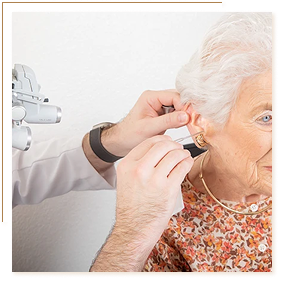
Using specialized equipment, we examine the ear canal and eardrum to rule out issues such as wax buildup or other medical conditions.
3. Comprehensive Hearing Testing
You will complete testing in a sound-treated environment where we measure how well you hear tones and speech across a range of frequencies.
This allows us to determine the type and severity of hearing loss.
4. Speech-in-Noise Testing
Many patients struggle most in places like restaurants or social gatherings.
Speech-in-noise testing helps us evaluate how well your brain processes speech in complex listening environments.
5. Personalized Treatment Recommendations
After your hearing exam, we review the results together and discuss the most effective treatment options.
If hearing loss is present, we develop a personalized treatment plan designed to restore clarity and communication.
Hearing Aids and Treatment Options
If hearing aids are recommended, our best-practice approach continues throughout the fitting process.
Because Levine Hearing is an independent hearing clinic in Charlotte, we are able to recommend the most appropriate technology from multiple manufacturers.
Every patient receives individualized recommendations.
As Madison Levine often explains to patients:
“I fit my own grandmother with Starkey hearing aids and my in-laws with Phonak. Even within my own family, the best technology was different.”
This personalized approach ensures that each patient receives the right hearing aid technology for their hearing loss, lifestyle, and listening environments.
Why Best Practices Matter for Hearing Aid Success
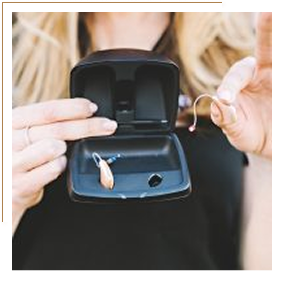
Hearing aids are sophisticated medical devices that must be carefully programmed and verified to perform correctly.
When best practices are followed, patients experience:
- Better speech clarity
- Greater comfort with hearing aids
- Easier adaptation to sound
- Higher long-term satisfaction
This is why Levine Hearing has built its reputation around clinical excellence and personalized care.
Our goal is not simply to provide hearing aids — it is to help patients reconnect with conversations, relationships, and the world around them.
When Should You Schedule a Hearing Test?
You may benefit from a hearing test in Charlotte if you notice:
- Difficulty hearing in restaurants
- Asking people to repeat themselves
- Turning the television louder than others prefer
- Trouble following conversations in groups
- Ringing or buzzing in the ears
If you’re experiencing any of these symptoms, a professional hearing exam can help determine the cause and guide treatment.
Schedule Your Hearing Test in Charlotte
At Levine Hearing, we believe better hearing begins with better care.
Your appointment includes:
✔ Comprehensive hearing testing
✔ Evidence-based best practices
✔ Expert interpretation of results
✔ Personalized treatment recommendations
✔ Access to the latest hearing aid technology
If you’re ready to understand your hearing more clearly, schedule your hearing exam in Charlotte today.
Hearing Test FAQs
How long does a hearing test take?
A comprehensive hearing test typically takes 45 to 60 minutes. At Levine Hearing in Charlotte, your appointment includes a detailed discussion about your hearing concerns, an examination of the ear canal, and a full set of diagnostic hearing tests. We also evaluate how well you understand speech, particularly in background noise, which is one of the most common challenges for people with hearing loss. At the end of the appointment, we review your results together and discuss whether treatment — such as hearing aids or other solutions — may improve your hearing.
What happens during a hearing test?
A professional hearing test measures how well you hear sounds and speech across different frequencies. During your hearing exam, you will sit in a sound-treated booth and listen to tones through headphones while responding when you hear them. We also perform speech testing and speech-in-noise testing, which helps us understand how your brain processes speech in real-world environments like restaurants or meetings. These tests allow us to determine the type and severity of hearing loss and recommend the most effective treatment options.
Do I need a hearing test before getting hearing aids?
Yes. A hearing test is the first and most important step before recommending hearing aids. The results of your hearing exam determine the type of hearing loss you have and help us select the most appropriate technology. At Levine Hearing, we follow best-practice hearing care protocols, including diagnostic testing and verification methods that only about 20% of hearing clinics routinely use. This process ensures that hearing aids are programmed accurately and provide the best possible clarity and comfort.
How often should adults have their hearing tested?
Adults over age 50 should consider having a hearing test every one to two years, even if they have not noticed significant hearing changes. Hearing loss often develops gradually, making it difficult to detect early without testing. Regular hearing exams allow professionals to monitor hearing health and identify changes early, when treatment is most effective. If you already wear hearing aids, annual testing helps ensure your devices are properly adjusted to your current hearing needs.
What are the signs that I may need a hearing test?
Common signs of hearing loss include asking people to repeat themselves, difficulty understanding conversations in noisy environments, turning the television louder than others prefer, and feeling like people are mumbling. Many patients also notice increased listening fatigue after social events or meetings. If you experience any of these symptoms, scheduling a hearing test in Charlotte can help identify whether hearing loss is present and determine the best treatment options.
Are hearing tests covered by insurance?
Coverage for hearing tests varies depending on your insurance plan. Many medical insurance plans cover diagnostic hearing exams when symptoms of hearing loss are present. Our team at Levine Hearing can help verify your benefits before your appointment and explain any potential out-of-pocket costs. Even if hearing aids are not fully covered by insurance, many patients find that early treatment greatly improves communication, quality of life, and daily comfort.
If I have hearing loss, will I need hearing aids?
Not every hearing test results in a recommendation for hearing aids, but many patients with hearing loss benefit significantly from modern hearing technology. Today’s hearing aids use advanced digital processing and artificial intelligence to improve speech clarity and reduce background noise. If hearing aids are recommended, we will guide you through different options and help you choose technology that fits your hearing needs, lifestyle, and listening environments.
What makes hearing tests at Levine Hearing different?
At Levine Hearing, we follow evidence-based best practices that only about 20% of hearing professionals consistently use. This includes comprehensive diagnostic testing, speech-in-noise evaluation, and precise verification of hearing aid performance when treatment is recommended. These protocols help ensure more accurate diagnosis and better hearing outcomes for patients. Our approach is also guided by Madison Levine’s work on the Ear-Brain Connection, which highlights the important relationship between hearing health and cognitive engagement.

 call now