Hearing & Brain Health: Why Your Ears Are More Important Than Your Morning Coffee
Hearing & Brain Health: Why Your Ears Are More Important Than Your Morning Coffee
Hearing & Brain Health: Why Your Ears Are More Important Than Your Morning CoffeeBy Renee Shumaker Pettus, M.A.-A.
When people think about keeping their brain sharp, they usually picture crosswords, supplements, or that first strong cup of coffee in the morning. But one of the most powerful tools for long-term cognitive health is something most of us take for granted: our hearing. Research continues to show that hearing and brain function are deeply connected — and protecting one directly protects the other.
1. What the Science Says: Hearing Loss and Brain Health Are Longtime Friends
Hearing loss is not just a “volume problem.” It’s a brain problem. A major 2025 study found that adults with even mild hearing loss had smaller brain volumes, more white-matter changes, and almost double the risk of developing dementia compared with adults with normal hearing. These brain changes were visible long before memory symptoms ever started.
And here’s the hopeful part: using hearing aids may help interrupt that decline. A recent NIH-funded clinical trial showed that hearing aid use cut the rate of cognitive decline in half for high-risk older adults over a three-year period. In other words, good hearing habits today may help protect your brain for many years to come.
2. Think of Your Ears as Your Brain’s Daily Workout
Every conversation, laugh, and background sound acts like a “training session” for your brain. When hearing becomes unclear, your brain works overtime to fill in the gaps — guessing words, interpreting half-heard phrases, and decoding sounds that no longer feel crisp.
Over time, that extra mental effort can lead to:
Trouble
Memory
focusing lapses
Mental fatigue after social events
Difficulty following fast or complex conversations
This isn’t just frustrating, it’s exhausting for the brain.
Good Hearing = A Stronger, Healthier Brain
In the 2025 study, adults who treated their hearing loss with modern hearing aids showed less brain atrophy and a lower risk of dementia. Clear hearing keeps the brain active, stimulated, and connected, all essential for long-term cognitive health. Protecting your hearing is one of the simplest, most evidence-backed ways to support your brain as you age.
What You Can Do Right Now (No Fancy Tech Required Yet)
• Sit closer to the person speaking — visual cues matter.
• Reduce background noise when possible (turn off TVs and appliances during conversations).
• Stay socially engaged — interaction is powerful brain exercise.
• Pay attention to listening fatigue; it’s often an early sign of hearing strain.
When It Might Be Time for an Upgrade (Science Says It’s Worth It)
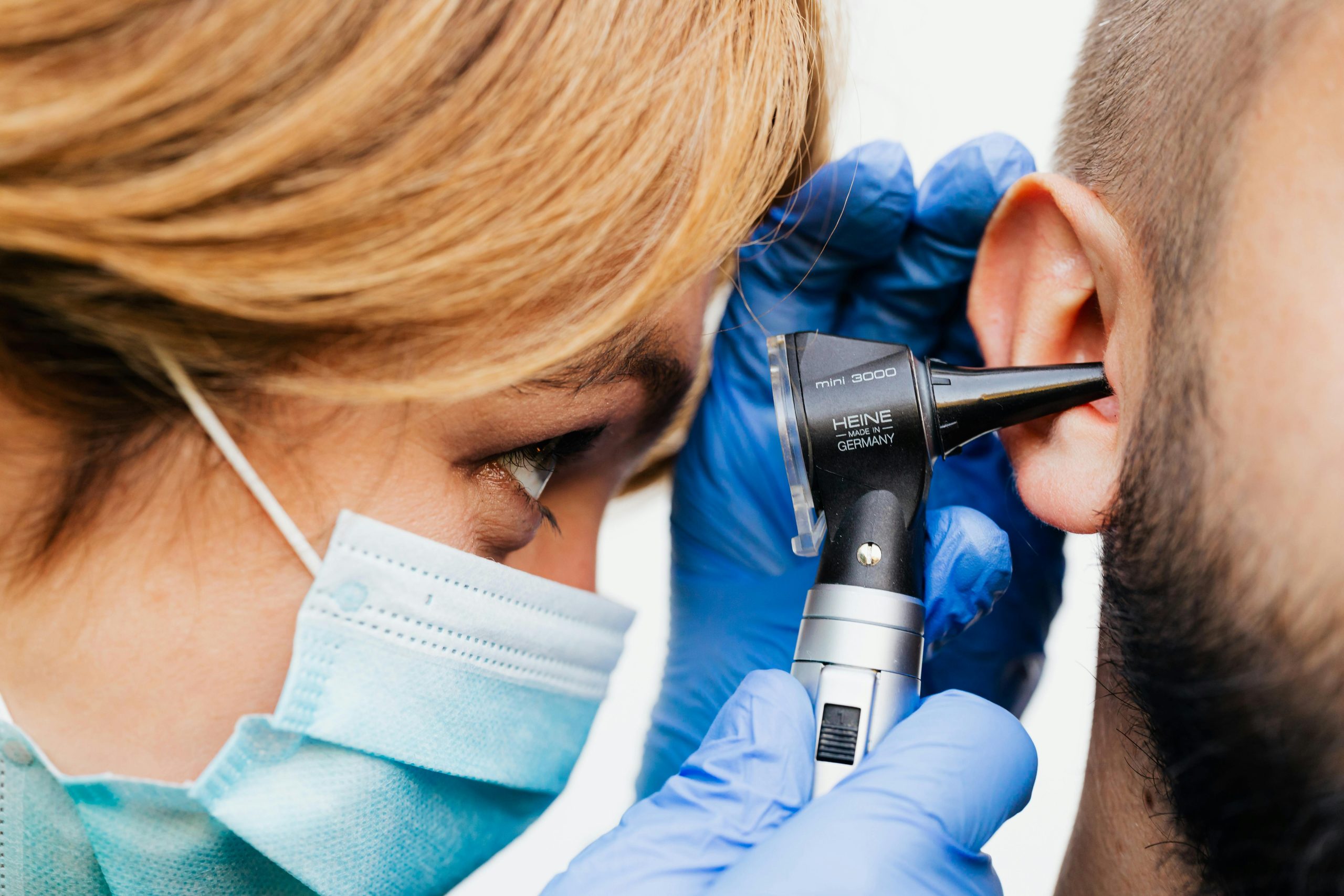
If you often ask people to repeat themselves, struggle in restaurants, or feel mentally drained after socializing, a hearing evaluation can offer clarity. Today’s digital hearing aids don’t simply make things louder — they improve clarity, filter background noise, and help your brain work more efficiently.
At Levine Hearing, we offer the latest technology, personalized fittings, and ongoing support to help you protect both your hearing and your long-term cognitive health.
Don’t Wait! Your Brain Will Thank You Later
Aging is inevitable, but cognitive decline doesn’t have to be. Taking care of your hearing today is one of the most powerful steps you can take to maintain brain health, independence, and a higher quality of life over time.
If you’ve noticed changes in your hearing — or simply want to understand how well your ears (and your brain) are functioning — we’re here to help. Schedule a hearing evaluation or reach out with questions anytime: https://levinehearing.com/contact/
The information on this website is for informational purposes only; it is deemed
accurate but not guaranteed. All information is subject to change at any time without notice. Contact us for complete
details.





 call now