The Hidden Dangers of Sleeping with AirPods: What You Need to Know
The Hidden Dangers of Sleeping with AirPods: What You Need to Know
The Hidden Dangers of Sleeping with AirPods: What You Need to Know
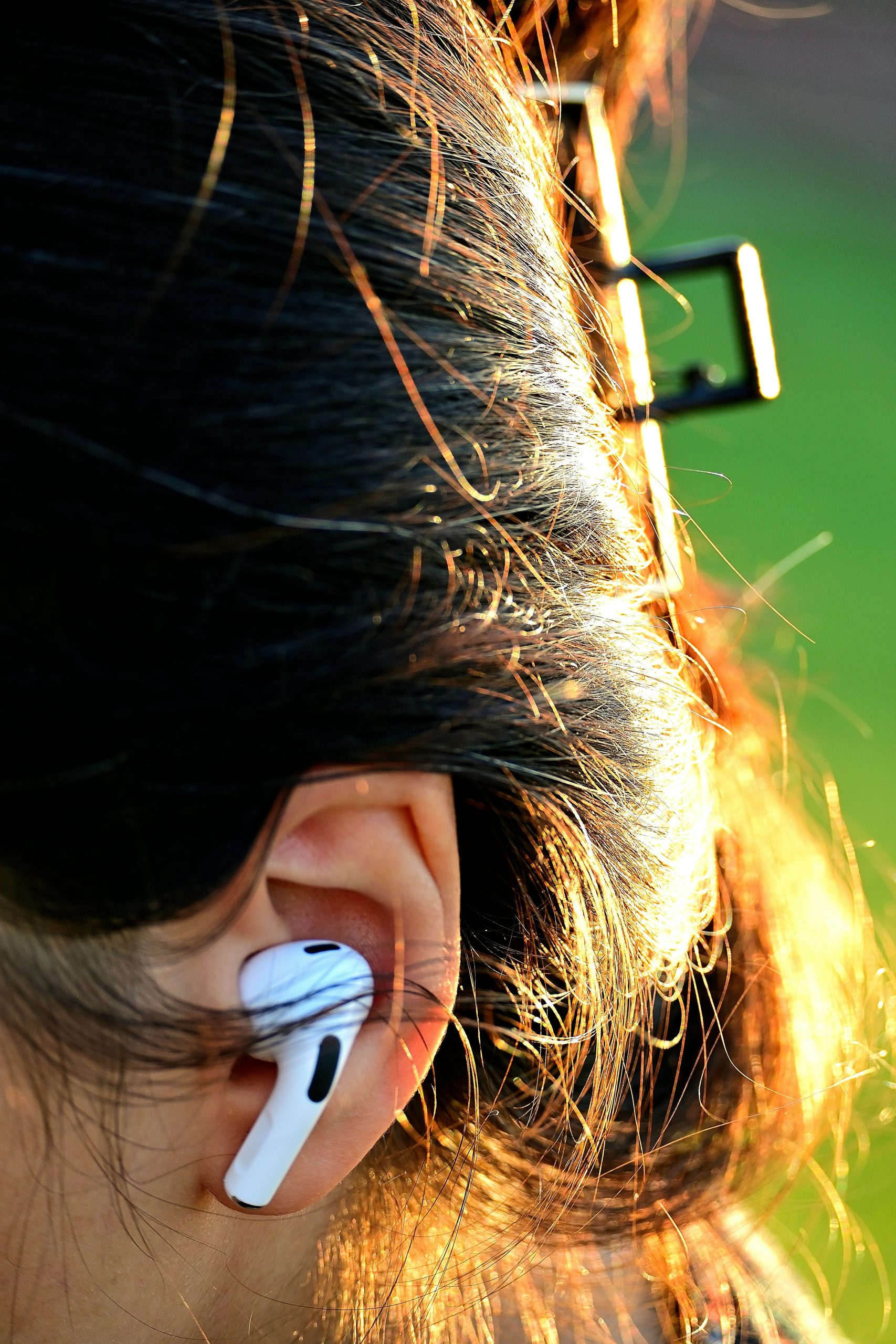
In today’s fast-paced world, many individuals turn to AirPods to enhance their sleep experience, whether it’s by listening to calming music, podcasts, or white noise. While this may seem like an ideal solution, sleeping with AirPods in your ears can pose several health risks that are often overlooked. Let’s delve into these potential dangers and explore safer alternatives.
1. Increased Risk of Ear Infections
Wearing AirPods during sleep can trap moisture and heat in the ear canal, creating an environment conducive to bacterial and fungal growth. This can lead to conditions like otitis externa, commonly known as swimmer’s ear. The snug fit of AirPods, while beneficial for sound isolation, can exacerbate this issue by preventing proper ventilation.
2. Potential Hearing Damage
Listening to audio at high volumes, especially over extended periods, can damage the delicate hair cells in the inner ear, leading to noise-induced hearing loss (NIHL). Even at moderate volumes, prolonged exposure during sleep can strain the auditory system. The World Health Organization recommends keeping daily headphone listening to 60 minutes or less and setting the volume below 70 dB to prevent hearing damage.
3. Sleep Disruption
While AirPods can mask external noises, they may also interfere with the natural sleep cycle. The presence of earbuds can prevent the brain from fully resting, potentially affecting the quality of sleep. Additionally, reliance on AirPods to fall asleep can lead to psychological dependency, making it challenging to sleep without them.
4. Physical Discomfort and Injury
The design of AirPods may not be suitable for side sleepers. Pressure from the earbuds can cause discomfort, soreness, or even abrasions in the ear canal. In rare cases, the AirPods may become dislodged and cause injury.
Safer Alternatives for Better Sleep
To protect your ear health and improve sleep quality, consider the following alternatives:
Over-Ear Headphones: Opt for wireless over-ear headphones, which are more comfortable for side sleepers and less likely to cause ear canal issues.
Sleep-Specific Earbuds: Devices like Ozlo Sleepbuds are designed for comfort during sleep and can play soothing sounds to aid in falling asleep.
External Speakers: Using a Bluetooth speaker placed at a safe distance can provide ambient sounds without direct contact with the ears.
Establish a Relaxing Bedtime Routine: Engage in calming activities such as reading, meditation, or gentle stretching to prepare your body for restful sleep.
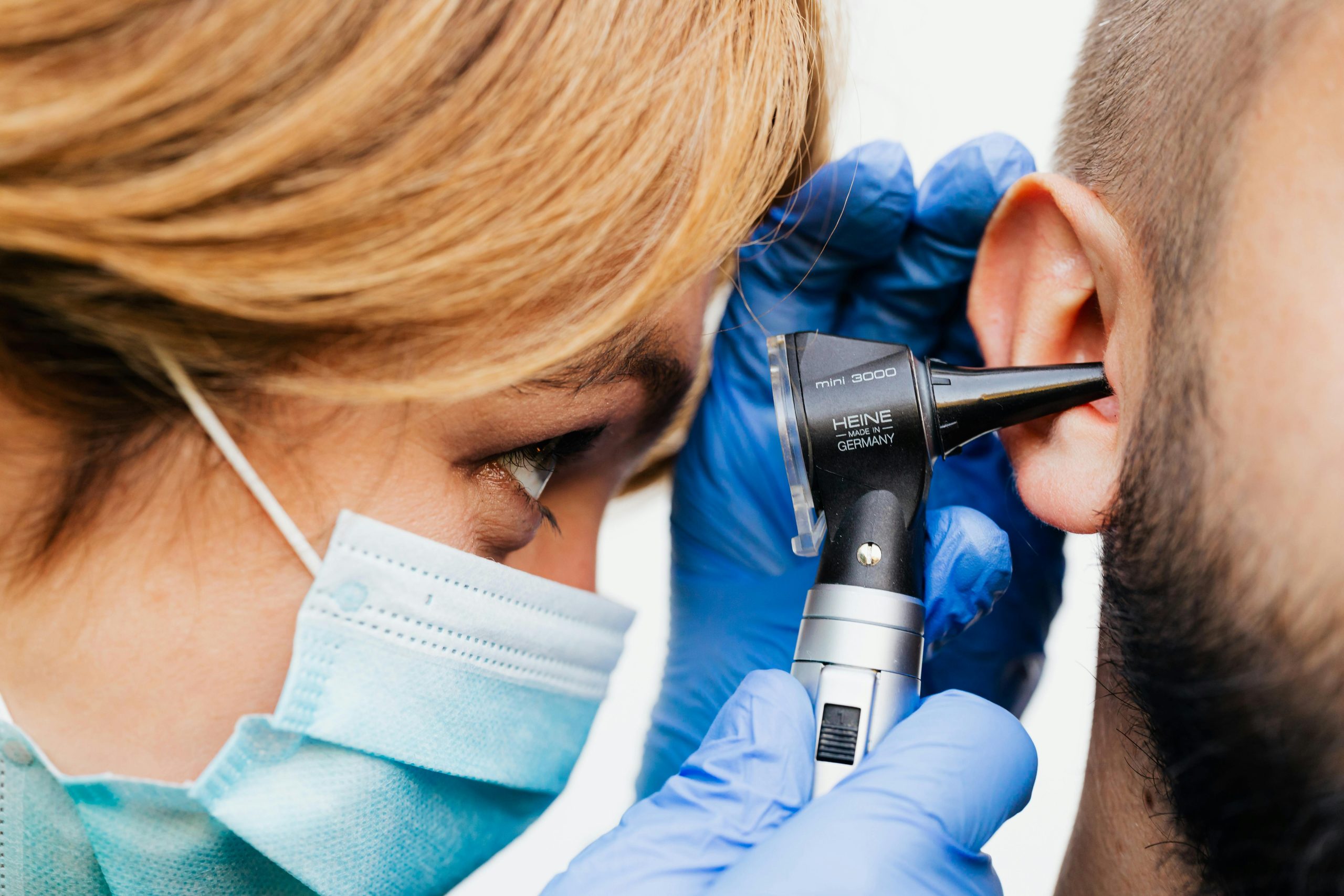
If you’re experiencing discomfort or health issues related to earbud use, consulting with a hearing specialist can provide personalized advice and solutions.
For more insights on hearing health and safe listening practices, visit Levine Hearing’s blog.
Prioritizing your ear health and sleep quality is essential for overall well-being. By making informed choices about your nighttime audio habits, you can enjoy restful sleep without compromising your health.
The information on this website is for informational purposes only; it is deemed
accurate but not guaranteed. All information is subject to change at any time without notice. Contact us for complete
details.






 call now